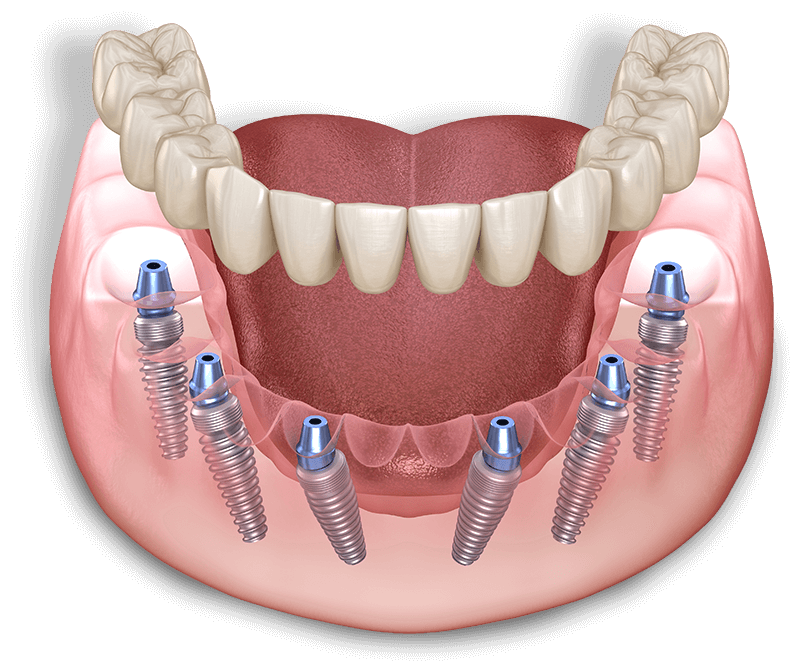
A dental implant canine tooth replaces a lost or damaged canine with a titanium root, an abutment, and a custom crown. Canines play a big role in biting, guiding your jaw, and shaping your smile, so replacing them properly matters for both function and appearance. This guide explains what a dental implant canine tooth is, who should consider one, the treatment steps, risks and alternatives, and how to find qualified care.
What Is a Dental Implant Canine Tooth?
A dental implant canine tooth uses an artificial root (the implant body) placed into the jawbone, an abutment that connects the root to the visible tooth, and a crown shaped like a natural canine. Because canines sit at the corners of the dental arch and take strong sideways forces, implants for canines are often planned for strength and esthetics. Compared with single-tooth implants elsewhere, a canine implant may require more attention to crown shape and bite forces since it helps guide jaw movement and supports the lip and smile line.
Who Is a Good Candidate for a Dental Implant Canine Tooth?
Good candidates generally meet these criteria:
- Healthy gums and no active gum disease
- Adequate jawbone volume where the canine sits
- No uncontrolled medical conditions (like uncontrolled diabetes)
- Non-smokers or willing to quit during healing
- Realistic expectations about time, cost, and care
Sometimes extra treatments are needed before a dental implant canine tooth in Fort Lauderdale, FL can be placed:
- Bone grafting if the bone is thin
- Orthodontic space creation if adjacent teeth have drifted
- Gum treatments to control periodontal disease
Preparing for an Implant Canine Tooth in Fort Lauderdale, FL
Pre-Op Exams and Imaging
Before surgery, you will receive detailed 3D imaging and digital models. A CBCT scan shows bone height, nerve locations, and the precise angulation needed for an implant canine tooth in Fort Lauderdale, FL. Digital impressions allow the team to design a crown that fits your bite and gum line perfectly. Together, these diagnostic tools guide implant placement for optimal safety, precision, and a natural-looking final result.
Medical and Medication Review
Your dental team will review your medical history and medications to reduce risks during surgery. You may need clearance from your primary care physician or cardiologist if you have heart or bleeding conditions. If you take blood thinners, your doctor will advise when to pause them safely. Some patients receive antibiotics or a pre-op antiseptic rinse to lower infection risk. Be sure to share all prescriptions, supplements, and recent health changes before your implant canine tooth procedure.
Practical Recovery Planning
A few simple steps can make recovery smooth after receiving an implant canine tooth in Fort Lauderdale, FL. Arrange a ride home if you’ll be sedated, and prepare soft foods such as soups, yogurt, and mashed potatoes. Have ice packs, gauze, and over-the-counter pain medication ready. Plan to take 48–72 hours off work for initial recovery and avoid strenuous activity for at least one week. These precautions help minimize swelling and promote faster healing.
Questions to Ask Before You Book
Use this short checklist to guide your consultation before scheduling your implant canine tooth in Fort Lauderdale, FL:
- Will I receive a temporary crown, and how long will it stay in place?
- What is the expected timeline from surgery to final crown?
- What anesthesia or sedation options are available?
- What are the total costs and financing options?
- Who will manage complications or follow-up care?
Dental Implant Canine Tooth: Procedure and Typical Timeline
Consultation and planning
Initial visits include a medical and dental exam, digital X-rays or CBCT 3D imaging, and impressions or scans. The team maps bone, nerves, and tooth position and creates a treatment plan and timeline. A clear plan helps protect the smile line and ensures the canine implant handles bite forces correctly.
Implant placement
Implant surgery is usually done with local anesthesia and optional sedation. The dentist or surgeon places the implant body into the jaw at the planned angle. You may get a temporary crown if appropriate, especially in the front of the mouth. Typical immediate post-op care includes pain control, soft food for a few days, and oral hygiene instructions.
Healing and crown placement
Osseointegration (bone fusing to the implant) usually takes 2–4 months. After healing, an abutment is attached and a final custom crown is made to match shape and color. Some practices offer faster workflows—like guided surgery and in-house milling—to shorten the timeline. Expect follow-up visits to check healing and bite adjustments.
Recovery and Long-Term Care for an Implant Canine Tooth in Fort Lauderdale, FL
First 2 Weeks — Immediate Care
The first two weeks after surgery focus on gentle care and avoiding pressure on the new implant. Rinse gently with warm salt water or a dentist-approved antiseptic after 24 hours. Stick to soft foods and avoid chewing on the surgical side. Mild swelling and light bleeding are normal for a few days and should improve after 48–72 hours. Contact your dentist if you experience heavy bleeding, persistent pain, or fever.
Ongoing Home Care
Once initial healing is complete, protect your implant with consistent daily care. Brush gently with a soft-bristled brush and clean around the implant crown each day. Use floss or a floss threader to clean beneath the prosthetic, and consider an interdental brush for hard-to-reach spaces. Maintaining proper oral hygiene protects the gums and bone around your implant canine tooth in Fort Lauderdale, FL, reducing the risk of inflammation or infection.
Professional Follow-Up and Monitoring
Routine dental visits are essential for checking implant stability and crown fit. Expect periodic exams and radiographs to confirm bone integration and proper bite alignment. Your dentist may make adjustments to the prosthetic if needed. If you grind or clench your teeth, wearing a nightguard helps prevent excess force that could damage the implant canine tooth or surrounding teeth.
When to Call Your Dentist
Contact your dentist immediately if you notice persistent or worsening pain, signs of infection such as pus or an unpleasant taste, a loose crown or implant, a sudden bite change, or swelling that worsens after several days. Early evaluation and intervention can protect the implant and prevent more serious complications.
Risks, Benefits, Alternatives, and Cost Overview
Common risks and how they’re managed:
- Infection — managed with antibiotics and hygiene
- Nerve irritation — avoided with careful imaging; treated if it occurs
- Implant failure — lowered by proper planning, bone grafts, and good health
Benefits of a dental implant canine tooth include long-term stability, preservation of jawbone, natural appearance, and restored chewing and bite guidance.
Alternatives and quick pros/cons:
- Dental bridge — faster but requires grinding adjacent teeth and does not preserve bone.
- Removable partial denture — less invasive and cheaper, but less stable and less natural feeling.
- Resin-bonded (Maryland) bridge — conservative of nearby teeth but less durable under heavy canine forces.
Costs vary by complexity, need for grafts, lab work, and clinician experience. Ask about financing, whether insurance covers part of the crown or surgical codes, and payment plans to manage expenses.
Finding Care for a Dental Implant Canine Tooth
Choose a provider with implant training, clear before-and-after photos, patient reviews, and good communication between the surgeon and restorative dentist. At your first visit, ask:
- How many canine implants have you placed?
- Will you use CBCT 3D imaging and guided surgery?
- Who will restore the crown — the same doctor who places the implant?
- What is the expected timeline, costs, and warranty?
At In A Day Smile Dental Implant Centers near Fort Lauderdale, FL, implant planning combines CBCT imaging, 3D-guided surgery, and an in-house lab for same-day prosthetics when appropriate. Dr. Burak Taskonak and the team focus on predictable results, offer flexible financing and a Best Price Guarantee, and provide a straightforward consultation to review options for a dental implant canine tooth in Fort Lauderdale, FL.
To schedule a consultation, ask about virtual or in-person planning, financing options, and what to expect at your first appointment. A clear plan helps you move forward with confidence toward a restored canine and a better functioning, natural-looking smile.