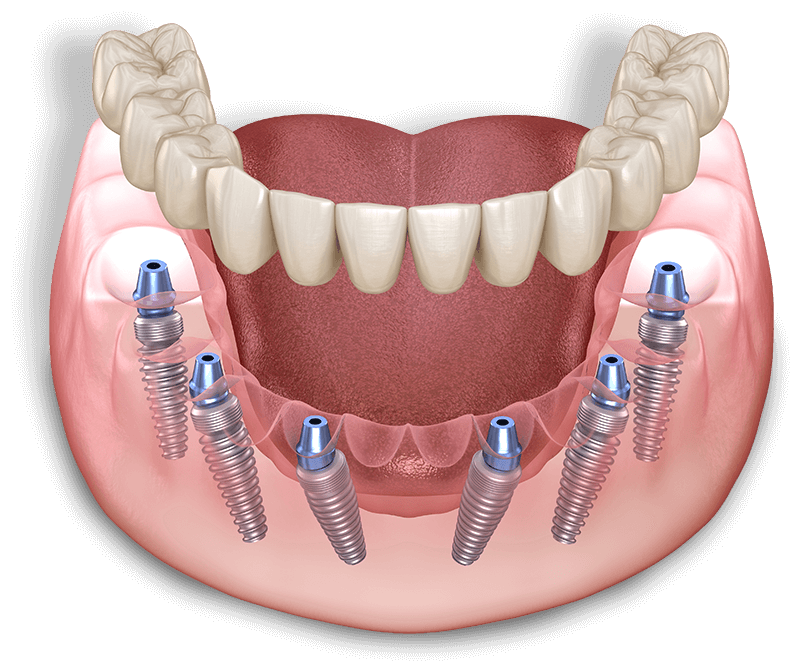
If you’re wondering whether a bone graft implant placement is truly necessary, this post will help. We’ll explain what bone grafting is, the common reasons it’s used, the main graft types, how grafts boost implant success, alternatives, what to expect during healing, and basic cost and risk factors. This guide is for people considering dental implants who want clear facts to discuss with their dentist or implant specialist about bone graft implant placement in Fort Lauderdale, FL.
What Is Bone Grafting?
Bone grafting is a surgical procedure that adds bone or bone-like material to areas of the jaw that are too thin or weak to support an implant. It creates a stable foundation so an implant can fuse with the bone. Bone graft implant placement is often done before or at the same time as implant surgery to improve long-term stability and function.
When Is Bone Graft Implant Placement Needed?
Bone loss from missing teeth or disease
When teeth are missing for a long time, the jaw bone can shrink. Periodontal disease also eats away bone. If there isn’t enough bone height or width, implants may fail without a graft.
Sinus proximity and low ridge height
In the upper back jaw the sinus may sit too close to the ridge. A sinus lift (a type of graft) raises the sinus floor so implants can be placed safely.
Trauma or congenital defects
Injuries or developmental problems can leave gaps or thin bone. Grafting rebuilds the area so implants have enough support.
Types of Bone Grafts Used for Implants
Autografts (your own bone)
Bone taken from another site in your body (often the chin or hip). It integrates well but requires a second surgical site.
Allografts, xenografts, and synthetic materials
Allografts use donor human bone, xenografts come from animals, and synthetics are manufactured. These avoid a second surgery and are commonly used with strong results.
Sinus lifts, ridge augmentation, and socket preservation
Socket preservation fills a tooth socket after extraction to prevent collapse. Ridge augmentation rebuilds width or height. Sinus lifts increase bone under the sinus. Each targets a specific problem to allow reliable implant placement.
How Bone Grafting Improves Implant Success
Grafts provide the volume and density implants need to integrate (osseointegration). More bone means better primary stability, less chance of implant failure, and improved long-term chewing function. Modern planning tools like CBCT and guided surgery make bone graft implant placement in Fort Lauderdale, FL more predictable by mapping bone and nerves before surgery.
Alternatives to Bone Grafting
Short or narrow-diameter implants, angled implants, and zygomatic implants (anchored in cheekbone) can avoid grafts in select cases. These options depend on bite forces, available bone, and the overall treatment plan; they’re not right for everyone.
What to Expect: Procedure, Healing Time, and Aftercare
Grafting is usually done with local anesthesia and optional sedation. Healing takes weeks to months—small grafts may integrate in 3–4 months; larger reconstructions can take longer. Follow-up visits, good oral hygiene, and avoiding smoking speed recovery. Your surgeon will advise when the implant can be placed after the graft heals.
Risks, Complications, and How to Reduce Them
Risks include infection, graft failure, and prolonged swelling. Watch for fever, severe pain, or unusual drainage and report it immediately. Choosing an experienced team, precise CBCT planning, and guided surgery reduces risks and improves outcomes.
Cost, Insurance, and Financing Basics
Costs vary by graft type, size, and whether implants are done the same day. Some dental plans cover part of grafting; many practices offer financing. Ask for an itemized estimate and payment options before work begins.
Why Choose In A Day Smile for Bone Graft Implant Placement
In A Day Smile Dental Implant Centers in Fort Lauderdale, FL uses CBCT imaging, 3D planning, guided surgery, and an in-house lab to make bone graft implant placement predictable and efficient. Led by prosthodontist Dr. Burak Taskonak, the team focuses on same-day care and precise results while keeping patient comfort a priority.
Next Steps: Is Bone Grafting Right for Your Implant Plan?
Schedule a consult with a CBCT evaluation to see if bone graft implant placement is needed for your case. A clear scan and treatment plan will show your options and timelines so you can make an informed choice.