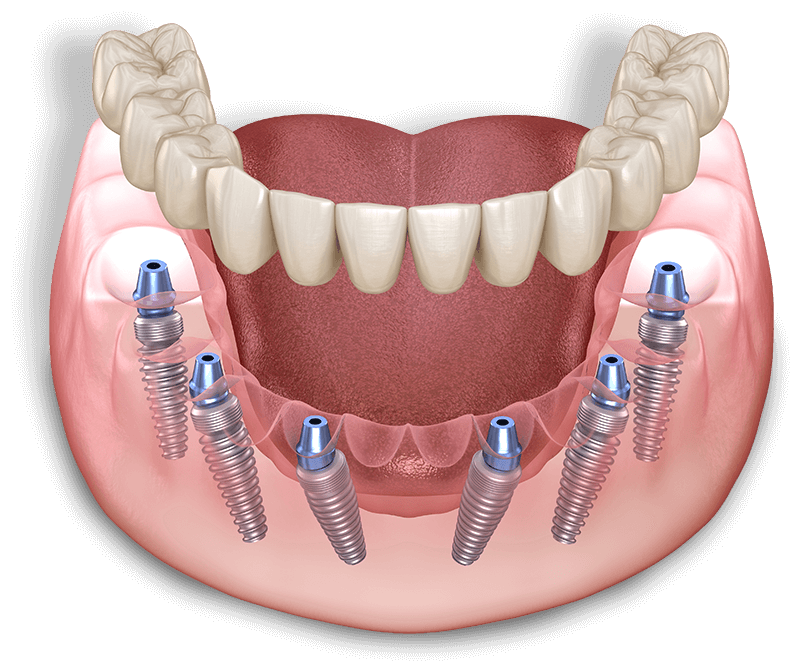
Titanium dental implants are metal posts placed into the jaw to replace missing tooth roots and support crowns or full-arch prosthetics. Dentists favor titanium because it bonds well with bone and is strong and long-lasting. This post explains common and rare side effects of dental implant with titanium in Fort Lauderdale, FL, what to expect after surgery, and when to seek immediate care.
How Titanium Dental Implants Work
Titanium implants rely on osseointegration — the process where bone grows tightly around the metal implant. A typical implant system has three parts: the implant (the titanium post), an abutment (connector), and a crown or prosthesis. Titanium is widely used because it is biocompatible, resists corrosion, and provides long-term stability for chewing and speaking.
Common Short-Term Side Effects Of Dental Implant With Titanium
Pain and swelling
Mild to moderate pain and swelling are normal for the first 48–72 hours after surgery. Pain usually peaks the first day and improves with prescribed or over-the-counter pain relievers. Ice packs, rest, and following your dentist’s instructions help control discomfort.
Bruising and minor bleeding
Minor bleeding and facial bruising can appear around the surgical site and typically fade within a week. Bite gently on gauze, avoid spitting or using straws, and keep your head elevated to reduce bleeding and swelling.
Temporary sensitivity or altered bite
Some patients notice sensitivity, pressure, or a slightly altered bite as the mouth adjusts. These sensations usually resolve within days to weeks as healing progresses and temporary prosthetics are adjusted.
Less Common But More Serious Complications
Infection and peri-implantitis
Infection around an implant (peri-implantitis) is a serious concern. Signs include increasing pain, swelling, pus, and persistent bad taste or smell. Early treatment involves cleaning, improved oral hygiene, and antibiotics; advanced cases may need surgical cleaning or grafting.
Nerve injury and prolonged numbness
Nerve damage is uncommon but can cause numbness, tingling, or shooting pain in the lip, chin, or tongue. Risk is higher in lower jaw procedures near the mandibular nerve. If numbness or altered sensation persists beyond a few days, referral for imaging or specialist evaluation is needed.
Implant failure and bone loss
Failure can occur early (during healing) or late (after years). Warning signs include mobility of the implant, new or worsening pain, and changes in surrounding gum tissue. If an implant fails, options include removal, site treatment, bone grafting, and re-implantation when appropriate.
Systemic Concerns: Allergies, Reactions, and Medical Considerations
Titanium allergy or metal sensitivity
Titanium allergy is very rare. Symptoms may include persistent inflammation, unexplained pain, or rash near the mouth. Testing (patch testing or blood tests) can help, and alternatives like zirconia implants may be considered for confirmed sensitivities.
Other medical issues and imaging considerations
Most titanium implants are MRI-safe, but always tell imaging staff you have implants. Certain conditions and medications — uncontrolled diabetes, smoking, bisphosphonates, or immune-suppressing drugs — can slow healing and raise risk. Your dentist will review your medical history before treatment.
When To Contact Your Dentist Immediately
- Severe, uncontrolled pain despite medication
- Rapidly spreading swelling or trouble breathing
- Fever or chills that suggest infection
- Heavy or continuous bleeding
- Sudden numbness that is worsening
- An implant that feels loose or shifts
How Risks Are Minimimized Before, During, and After Surgery
Good outcomes start with a thorough pre-op evaluation: medical history review, 3D CBCT imaging, and planning with guided surgical models. During surgery, sterile technique, precise implant positioning, and antibiotics when indicated reduce risks. Post-op follow-up, clear home care instructions, and routine maintenance help prevent complications long-term.
Recovery Expectations and Home Care
Most patients return to normal activities within a few days and see steady improvement over 2–3 months as bone bonds to the implant. Short-term tips: stick to soft foods, avoid smoking, take medicines as directed, gently rinse with salt water after 24 hours, and maintain excellent oral hygiene. Expect scheduled follow-ups for checks and any prosthetic adjustments.
Why Experience and Technology Matter
Experienced teams and advanced tools lower complication rates. At In A Day Smile, Dr. Burak Taskonak and the team use CBCT scans, guided surgical planning, and an in-house lab to control each step. This digital workflow and prosthodontic expertise help reduce the chance of problems and speed recovery, while offering predictable cosmetic and functional results.
Looking For Answers Or A Consultation?
If you’re worried about the side effects of dental implant with titanium in Fort Lauderdale, FL or want a personalized risk assessment, schedule an evaluation. A consultation can review your health history, imaging, and implant options — including alternatives for rare metal sensitivities — so you can choose a safe, confident path forward.